Source Digital Printing Canvas Trucker Hats for Events
Source digital printing canvas trucker hats from 30 verified listings. Compare options featuring polyester or cotton blends, custom logos, and various styles like striped or checked patterns for summer and autumn wear; compare the available evidence and request quotations based on your requirements.
Key considerations
Products List


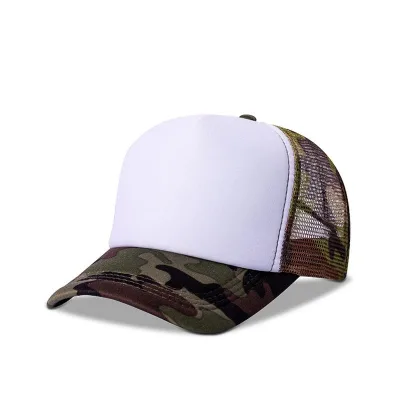
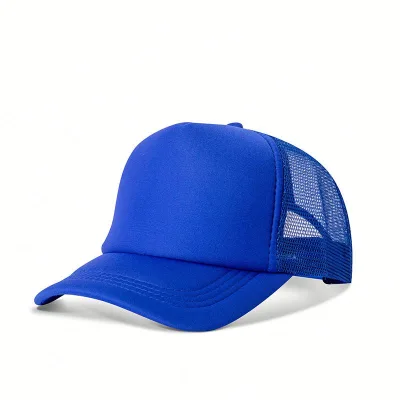
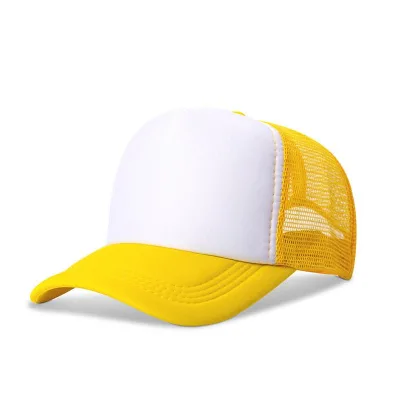
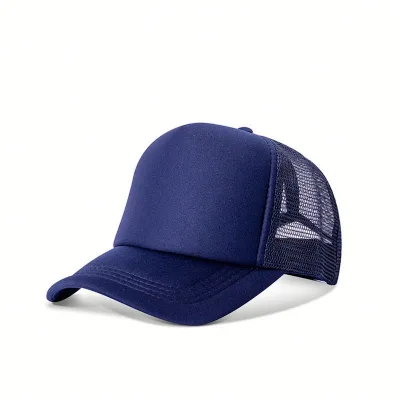
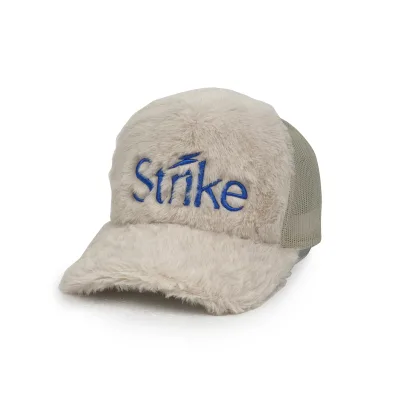


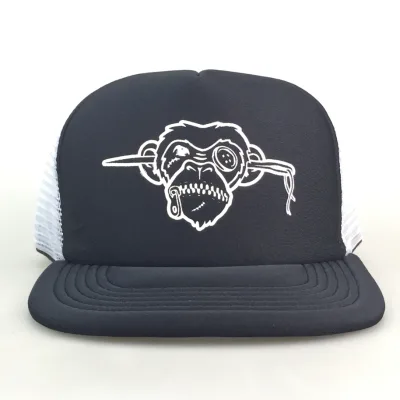


Comprehensive Sourcing Guide
Digital Printing Canvas Trucker Hats Sourcing Guide
Sourcing digital printing canvas trucker hats requires a nuanced understanding of material compatibility and print durability. While the observed product data highlights polyester and cotton blends, canvas structures often demand specific ink formulations to ensure adhesion and colorfastness. Buyers must distinguish between standard mesh-back designs and those utilizing canvas front panels, as the latter offers a distinct aesthetic and structural rigidity. The presence of customizable logos and plain dyed patterns suggests a market focused on brand identity and seasonal trends. Understanding these material distinctions is critical for selecting suppliers who possess the technical capability to handle canvas substrates without compromising the breathability inherent to trucker hat designs.
Commercial viability depends heavily on aligning order quantities with production capabilities. Observed minimum order quantities range from 20 to 1008 units, indicating flexibility for both small batch testing and larger volume deployments. Lead times typically span around 25 days, with sample approval taking approximately 7 to 10 days. These timelines must be factored into inventory planning, especially for seasonal collections targeting spring, autumn, or summer markets. Buyers should verify if the supplier’s digital printing infrastructure supports rapid turnaround for urgent orders or if the 25-day window is a fixed constraint for all customization levels.
Product Scope and Observed Listing Signals
The current market landscape for trucker hats includes a variety of styles, from classic mesh-back designs to more structured canvas-front options. Observed listings indicate a strong emphasis on customization, with options for embroidered, printed, and plain dyed patterns. The availability of unisex designs in sizes ranging from 56 to 60cm ensures broad applicability across adult demographics. Color options are diverse, including black and colorful variations, allowing for versatile branding strategies. The presence of specific model identifiers like "gccap2" and "MGD-65219" suggests a standardized product catalog, which can simplify the sourcing process for buyers seeking consistent quality across multiple orders.
Packaging and shipping details provide insight into the supplier’s operational efficiency. Standard packing methods include OPP bags within cartons, with carton sizes measuring 65x45x38cm. Gross and net weights of 16kg and 14kg respectively, indicate a dense packing strategy that optimizes shipping costs. The origin is consistently listed as China, with loading ports in Shanghai, facilitating efficient global logistics. Buyers should note that while digital printing is the core keyword, observed materials include 100% polyester and cotton/polyester blends, which may influence the final look and feel of the printed design.
Technical Specifications to Verify
Verifying the technical specifications of digital printing on canvas is essential for ensuring product longevity. Buyers must confirm the type of digital printing technology used, such as direct-to-garment or sublimation, as each method interacts differently with canvas fibers. The observed data mentions 3D embroidery and letter patterns, indicating that suppliers may offer hybrid designs combining print and embroidery. It is crucial to assess the ink’s resistance to washing and UV exposure, particularly for hats intended for outdoor use or frequent wear. Suppliers should provide clear information on the curing process and any pre-treatment applied to the canvas to enhance print adhesion.
Structural integrity is another key technical consideration. The hats feature a brim and a crown, with some models specified as having a trucker mesh back. Buyers should verify the stiffness of the canvas front panel and the durability of the stitching, especially around the brim and eyelets. The observed standard of 200 pieces per carton suggests a bulk production capability, but quality consistency across large batches must be assured. Additionally, the adjustable closure mechanism, if present, should be tested for ease of use and durability. Ensuring that the digital print does not crack or peel after repeated flexing of the brim is a critical quality check.
Compliance and Safety Documentation
Compliance with international safety standards is non-negotiable for apparel products. Buyers must request documentation confirming that the inks and dyes used in digital printing are free from harmful substances such as azo dyes, heavy metals, and formaldehyde. While specific certification statuses are not provided in the observed data, suppliers should be able to produce test reports from accredited laboratories. These reports should verify compliance with relevant regulations in the target market, such as REACH in Europe or CPSIA in the United States. Ensuring that the canvas material itself meets flammability and toxicity standards is equally important for consumer safety.
Labeling and care instructions must also adhere to regulatory requirements. Each hat should include accurate fiber content labels, country of origin markings, and care instructions that reflect the durability of the digital print. Buyers should verify that the supplier provides these labels in the required languages and formats for the destination market. Additionally, any claims regarding the product’s suitability for specific occasions, such as weddings or sports events, should be supported by factual product attributes rather than marketing exaggerations. Proper documentation not only ensures legal compliance but also builds trust with end consumers who are increasingly conscious of product safety and ethical sourcing.
Cost Drivers and Commercial Terms
Several factors influence the final cost of digital printing canvas trucker hats. The primary cost drivers include the complexity of the design, the number of colors used in the print, and the quantity ordered. Digital printing allows for intricate designs without the setup costs associated with screen printing, making it cost-effective for small to medium batches. However, the price per unit may increase for highly detailed or multi-color prints due to longer production times. Buyers should also consider the cost of customization, such as logo placement and packaging options, which can add to the overall expense.
Commercial terms play a significant role in the total cost of ownership. The observed sample cost of USD 60 and a lead time of 25 days are key financial considerations. Buyers should negotiate clear terms regarding sample fees, which may be credited against bulk orders. Payment terms, such as deposits and balance payments upon shipment, should be aligned with the supplier’s financial policies. Additionally, shipping costs by sea or air can vary significantly based on volume and urgency. Understanding these commercial dynamics allows buyers to budget accurately and avoid unexpected expenses during the procurement process.
Supplier Qualification and Quality Control
Qualifying suppliers requires a thorough assessment of their manufacturing capabilities and quality control processes. Buyers should verify the supplier’s experience with digital printing on canvas, requesting samples to evaluate print quality, color accuracy, and durability. It is essential to confirm that the supplier has a robust quality control system in place, including pre-production, in-line, and final inspections. The observed standard of 200 pieces per carton suggests a focus on bulk efficiency, but buyers must ensure that this does not compromise individual product quality. Asking for references or case studies from previous clients can provide additional confidence in the supplier’s reliability.
Communication and responsiveness are critical indicators of a supplier’s professionalism. Buyers should assess how quickly and clearly the supplier responds to inquiries, particularly regarding technical specifications and customization options. A reliable supplier will provide detailed information about their production process, including the types of digital printers used and the quality of materials sourced. Additionally, buyers should establish clear channels for addressing any issues that may arise during production or after delivery. Building a strong relationship with a qualified supplier ensures smoother transactions and better outcomes for future orders.
Long-Term Procurement Checks
Establishing long-term procurement checks ensures sustained quality and reliability in the supply chain. Buyers should implement regular audits of the supplier’s production facilities and quality control processes to identify potential issues early. Continuous monitoring of product performance in the market, including customer feedback on print durability and comfort, can provide valuable insights for future orders. Buyers should also stay informed about changes in regulations and standards that may affect product compliance, ensuring that the supplier remains up-to-date with these requirements. Regular communication with the supplier helps maintain alignment on quality expectations and production timelines.
Strategic planning for future orders involves analyzing sales data and market trends to optimize inventory levels. Buyers should consider the seasonal nature of trucker hats, aligning orders with peak demand periods such as spring, summer, and autumn. Diversifying the product range by offering different styles, colors, and customization options can help mitigate risks and capitalize on emerging trends. Additionally, exploring opportunities for sustainable sourcing, such as eco-friendly inks or recycled materials, can enhance brand value and appeal to environmentally conscious consumers. Long-term success depends on a proactive approach to procurement, combining rigorous quality checks with strategic market analysis.
FAQs
What customization options are available for these hats?
Customization is available for logos and patterns on these hats. Buyers can choose from printed, embroidered, or plain dyed designs. The product supports customized logos and various pattern themes like letters or stripes to meet specific branding needs.
Which materials are used to make these trucker hats?
These hats are made from 100% polyester, polyester cotton blends, or 100% cotton materials. The specific material depends on the model selected, such as the trucker mesh cap or standard baseball cap styles available for adult users in spring and autumn seasons.
How long does it take to receive samples?
Sample time ranges from 7 to 10 days depending on the specific order requirements. Some standard samples may be ready in 7 days, while others might require up to 10 days for production and quality checks before shipping to the buyer.
What is the minimum order quantity for these caps?
The minimum order quantity varies between 20 and 1008 units based on the specific product model. Buyers should check the standard carton size and packing details, such as 200 pieces per carton, to determine the exact MOQ for their purchase.
Can I get these hats with a specific crown style?
Yes, these hats are available with a crown and brim as standard features. The product line includes various styles like checked, striped, or plain designs, ensuring the crown structure meets the requirements for baseball caps and trucker hats for unisex adult use.
What are the shipping methods for these products?
Products can be shipped by sea or by air depending on the buyer's preference and urgency. The loading port is Shanghai, and the lead time for production is typically 25 days before the goods are ready for shipment to the destination.
Are these hats suitable for summer and winter use?
These hats are designed for spring and autumn seasons, though some models are suitable for summer. The product list indicates applicability for various occasions including outdoor activities, sports, and festivals, making them versatile for different weather conditions and user needs.